An official website of the United States government
Here’s how you know
The .gov means it’s official.
Federal government websites often end in .gov or .mil. Before sharing sensitive information, make sure you’re on a federal government site.
The site is secure.
The https:// ensures that you are connecting to the official website and that any information you provide is encrypted and transmitted securely.
Got a phone? Then chances are you get calls from scammers. Scammers don’t care if you’re on the National Do Not Call Registry. That’s why your best defense against unwanted calls is call blocking and call labeling. Here’s how to block and report unwanted calls on cell phones and home phones.
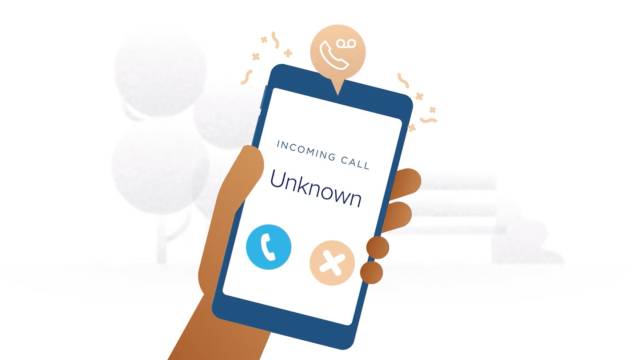
If you answer the phone and hear a recorded message instead of a live person, it's a robocall. Robocalls trying to sell you something are almost always illegal. Many are also probably scams. Here’s what to know about robocalls and what to do about them.
Scammers pretend to be from government agencies like the FTC, Social Security Administration, and IRS — or say they're calling about your Medicare benefits. Learn the signs and avoid the scam.
While the gift-giving holidays are over, scammers still want gift card money. Some scammers might even reach out by pretending to be your boss and asking you to buy gift cards for them. But it’s a scam. Here’s how to spot and avoid it.
You get a text message, supposedly following up on a $10,000 loan application. Only, you never applied for a loan. Is this pure luck or a scam? Before you use the callback number in the message to find out, or even reply “NO” to cancel the application, learn to spot a fake loan text scam.
We’re seeing a big wave of reports about phone scams claiming you owe back taxes. But it’s not the IRS calling, it’s a scammer using a company name like “Tax Resolution Oversight Department.” If someone calls you out of the blue offering to help you fix a tax issue, hang up. Here’s how to spot the scam.