An official website of the United States government
Here’s how you know
The .gov means it’s official.
Federal government websites often end in .gov or .mil. Before sharing sensitive information, make sure you’re on a federal government site.
The site is secure.
The https:// ensures that you are connecting to the official website and that any information you provide is encrypted and transmitted securely.
Unwanted Calls, Emails, and Texts
What to do about unwanted calls, emails, and text messages that can be annoying, might be illegal, and are probably scams.
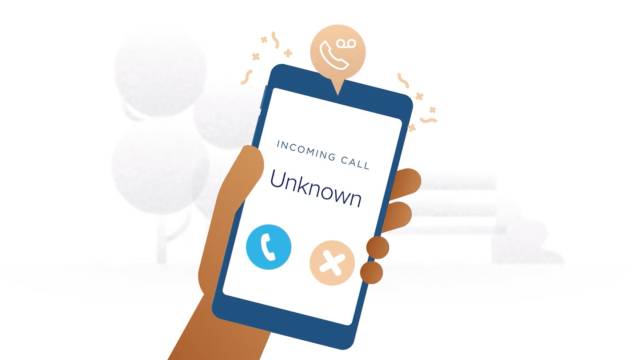
If you answer the phone and hear a recorded message instead of a live person, it's a robocall. Robocalls trying to sell you something are almost always illegal. Many are also probably scams. Here’s what to know about robocalls and what to do about them.
Scammers pretend to be from government agencies like the FTC, Social Security Administration, and IRS — or say they're calling about your Medicare benefits. Learn the signs and avoid the scam.
You never know where your big Hollywood break will come from. But it probably won’t start with an unexpected text message about a virtual casting call. That’s likely a scam. Learn the cues to avoid this type of phishing scam.
If you own a business or know someone who does, you know how important a trademark is for protecting your intellectual property. Scammers do, too, and they’re impersonating the United States Patent and Trademark Office (USPTO) to steal your money. Here’s how the scam works.
A voicemail from an unknown caller reminding you about a $52,000 loan that you didn’t apply for can throw you off balance. Which explains why scammers send them — hoping you’ll respond first and think later. You might already know how to spot phone scams, but in case you need a refresher, here’s how to spot this one.